Diamonds have fascinated humanity for centuries, symbolizing love, wealth, and unmatched beauty. Their sparkling brilliance has made them the most sought-after gemstones in history, while their physical properties position them as one of the hardest naturally occurring substances known to man. From ancient legends to modern industrial applications, 培育鑽石 hold a unique place in culture, science, and commerce. Exploring their origins, characteristics, and uses offers an appreciation not only for their elegance but also for their remarkable natural story.
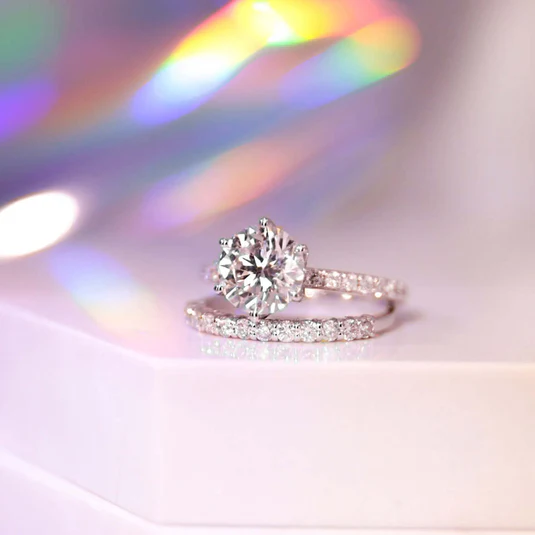
Diamonds are composed of carbon, the same element found in graphite and coal. What makes them extraordinary is the way carbon atoms are arranged in a crystalline structure under intense heat and pressure deep within the Earth’s mantle. This atomic arrangement creates an exceptionally strong bond, making diamonds the hardest material on the Mohs scale of mineral hardness. Their formation takes billions of years, at depths ranging from 150 to 200 kilometers beneath the Earth’s surface. Volcanic eruptions eventually bring them closer to the surface through kimberlite pipes, where they can be mined. The incredible journey from carbon to crystal makes every diamond a geological miracle.
Throughout history, diamonds have been surrounded by myths, legends, and symbolism. Ancient civilizations believed they were tears of the gods or fragments of stars fallen to Earth. In India, one of the earliest sources of diamonds, they were revered as talismans with protective powers. During the Middle ages, Europeans believed diamonds could heal illnesses and ward off evil. Their enduring symbolism expanded in the modern era, particularly when diamonds became associated with love and commitment. The famous slogan “A diamond is forever, ” introduced in the 20th century, cemented their role as the ultimate symbol of eternal love and marriage. Today, engagement rings adorned with diamonds remain a global tradition, reflecting their cultural power.
Beyond their symbolism, diamonds possess extraordinary physical and optical properties. Their hardness makes them resistant to scratches, allowing them to retain brilliance for generations. Diamonds also exhibit exceptional light dispersion, splitting white light into a rainbow of colors, which contributes to their dazzling sparkle. Jewelers assess diamonds using the “Four Cs”: cut, color, clarity, and carat weight. The cut refers to how well the diamond has been shaped, affecting brilliance. Color measures the presence or absence of hue, with pure, colorless diamonds being the most valuable. Clarity considers internal or external imperfections, while carat weight measures size. These factors together determine a diamond’s rarity and value, ensuring each gemstone is unique.
While jewelry accounts for the majority of diamond demand, their industrial applications are equally significant. Because of their hardness, diamonds are used in cutting, grinding, drilling, and polishing tools. Industrial-grade diamonds, often unsuitable for jewelry due to flaws, are crucial in fields such as construction, mining, and manufacturing. Advances in technology have also expanded diamond use in high-performance electronics, optics, and even medical equipment. Synthetic diamonds, created in laboratories through methods like High-Pressure High-Temperature (HPHT) and Chemical Vapor Deposition (CVD), are revolutionizing both jewelry and industrial markets. These lab-grown diamonds are chemically identical to natural ones but often come at a lower cost and with fewer environmental concerns.
The diamond industry, however, is not without controversy. The term “blood diamonds” refers to stones mined in war zones and sold to finance armed conflict, particularly in parts of Africa. This issue gained global attention in the late 20th century, raising ethical questions about sourcing and trade. In response, the Kimberley Process Certification Scheme was introduced in 2003 to prevent conflict diamonds from entering the global market. Consumers today are increasingly concerned with ethical sourcing, leading to greater demand for traceable diamonds and lab-grown alternatives. The industry continues to evolve toward transparency and sustainability, balancing luxury with responsibility.
Culturally, diamonds remain unmatched as symbols of prestige and aspiration. Iconic diamonds such as the Hope Diamond, the Cullinan Diamond, and the Koh-i-Noor have captured imaginations with their size, history, and legends. Hollywood stars and royalty have long showcased diamonds as part of their glamour, fueling global demand. The mystique surrounding these gems extends into art, fashion, and literature, where diamonds are frequently associated with themes of desire, eternity, and power. Their ability to capture light and attention has made them enduring icons in human expression.
In modern times, technology has transformed how diamonds are marketed and purchased. Online platforms allow consumers to compare diamonds with detailed certifications, making informed decisions about quality and price. Sustainability movements have also influenced consumer choices, with many buyers opting for lab-grown or ethically sourced stones. Innovations in diamond cutting and design have expanded the range of jewelry styles, making diamonds accessible across various budgets. At the same time, rare and flawless diamonds continue to fetch record-breaking prices at auctions, reflecting their enduring role as a store of wealth.